How Lean Six Sigma Connects to Leadership and Culture
Lean Six Sigma does not sit in isolation. In every manufacturing business, processes, leadership behaviour, and culture are tightly linked. When systems are unclear, leaders are forced into firefighting. When leaders are constantly reacting, teams stop taking ownership. Over time, this shapes the culture. Lean Six Sigma creates the structure that allows leadership and culture to improve in a practical way.
Leadership in Today’s UK Manufacturing Environment

UK manufacturing is becoming more complex, more pressured, and more critical to national priorities.
In this environment, systems and strategy are essential, but they are not enough on their own. It is leadership that determines whether performance stabilises, whether improvement is sustained, and whether organisations can respond effectively to change. When leadership is consistent, structured, and confident under pressure, businesses move from firefighting to control and from control to continuous improvement.
Leadership, Decision-Making and Performance
Leaders are now operating in an environment where pressure is constant rather than occasional. Rising costs, workforce challenges, and increasing operational complexity mean that decisions are more frequent, more time-critical, and more impactful than before.
Why Strategy Fails and What Changes When It Is Done Properly

In many businesses, strategy is discussed but not used. Plans are created, but they are not linked to daily activity. Over time, focus returns to immediate issues, and the strategy stops guiding decisions. This is not usually because the plan is wrong. It is because there is no structure linking thinking to delivery.
SC21 & Aero Excellence Readiness

Across aerospace and defence, the expectations placed on suppliers continue to increase. Customers are no longer assessing capability based purely on technical output, but on the consistency, reliability, and control of the systems behind it. Delivery performance, quality, and responsiveness are now seen as direct indicators of how well an organisation is managed, not just how well it produces. At the same time, the operating environment has become significantly more complex.
Forfarmers UK – Case Study
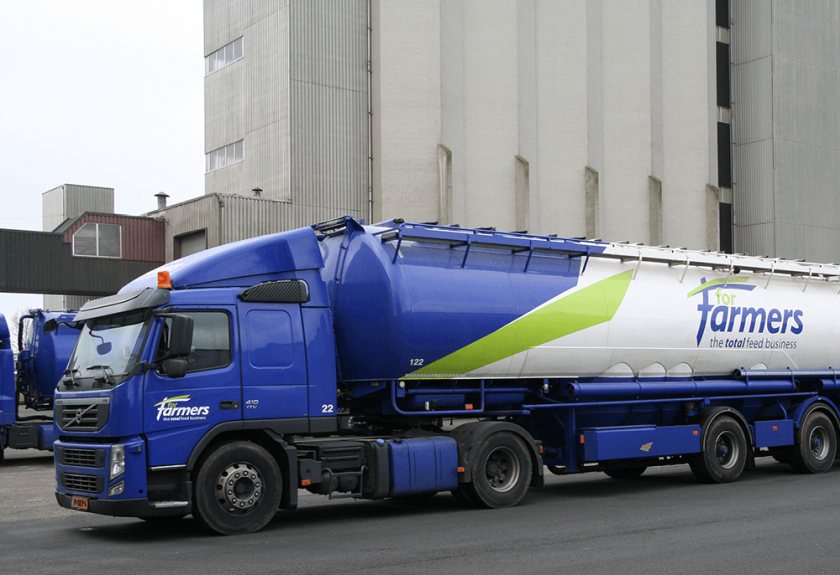
Like many organisations, ForFarmers faced periods where continuous improvement efforts were paused due to headcount reductions, cash flow constraints, and shifting priorities. The absence of structured Lean activity was felt across the business, underscoring the importance of embedding Lean into the very fabric of the organisation. The goal became clear: to create a culture where Lean is not a one-off initiative, but a way of thinking and working, where every team member feels empowered to contribute ideas and drive change
John Woodruffe’s Story

John’s career began on the factory floor in 1980. A pivotal conversation with a mentor an uncle in his seventies, challenged him. “What now?” What did John want from life, was he ok working on the shop floor for the next 50 years? John appreciated that moment, and it opened a pathway to further education, an Unpaid, outside-of-work commitment that spanned several years.
TurnKey’s Managing Director Honoured as Judge at Prestigious Industry Awards
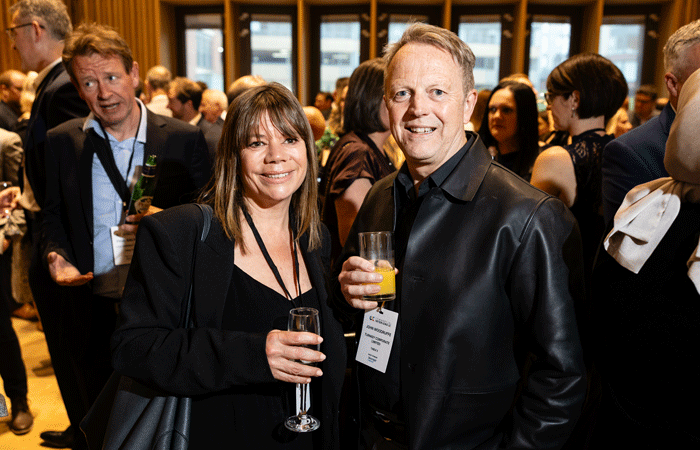
TurnKey Corporate’s Managing Director, John Woodruffe, was recently invited to serve as a judge at the prestigious Next Generation Awards, hosted by Commercial Interiors UK and sponsored by Silent Night Contracts.